The Allure of Risk and Reward
The psychology of gambling is intricately tied to the concepts of risk and reward. When players enter a casino, they are often driven by the thrill of potentially winning big. This allure is rooted in our brain’s reward system, which releases dopamine—a chemical associated with pleasure—when we experience moments of excitement or victory. Interestingly, many are exploring options for anew casino online experience, where the tantalizing prospect of winning can trigger a heightened sense of anticipation, making the gambling experience more compelling.
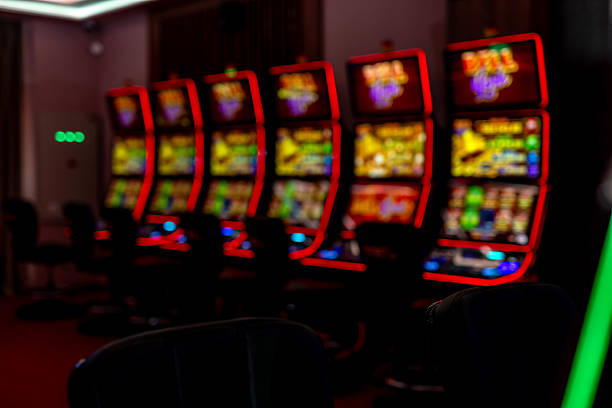
Moreover, the design of casinos plays a crucial role in enhancing this psychological drive. Bright lights, vibrant colors, and captivating sounds create an immersive atmosphere that stimulates the senses. Such an environment not only intensifies the feelings associated with risk-taking but also makes it easier for individuals to lose track of time and money, further entrenching them in the gambling experience.
The Impact of Social Dynamics
Casinos often serve as social hubs where people gather to enjoy camaraderie over games. The social aspect of gambling can significantly influence individual choices, with many players feeling more confident and emboldened when surrounded by others. This phenomenon can lead to what is known as the “bandwagon effect,” where individuals are more likely to make bets or try their luck simply because they observe others doing so.
Additionally, peer pressure and social norms within gambling environments can shape one’s decisions. The desire to fit in or to impress friends may lead players to increase their wagers or spend more time gaming than initially planned. Understanding these social influences can provide insight into the often irrational choices made by gamblers in casinos.
Cognitive biases play a significant role in how individuals approach gambling in casinos. One such bias is the “gambler’s fallacy,” where players believe that past outcomes will influence future results. For instance, a player might think that after a series of losses, a win is inevitable, driving them to continue playing despite financial losses. This type of thinking can lead to greater risk-taking behavior and prolonged engagement in gambling activities.
Another prevalent cognitive bias is the “illusion of control,” wherein players believe they can influence the outcome of games of chance, such as slot machines or roulette. This false sense of control can lead to increased betting and a more substantial commitment to gambling, often resulting in negative financial consequences.
The Effects of Branding and Marketing
Branding and marketing strategies in casinos are meticulously crafted to appeal to the psychological motivations of gamblers. Promotional offers such as free spins, loyalty programs, and enticing jackpots are designed to attract and retain players. By creating a sense of urgency and exclusivity, casinos can stimulate higher engagement and spending among their clientele.
Moreover, the way casinos present themselves through branding can significantly affect player choices. Luxurious environments, celebrity endorsements, and high-profile events create an image of prestige that appeals to many gamblers. This branding not only influences initial decisions to visit a casino but also affects how players perceive their chances of winning, often leading them to believe they are part of an elite group when they partake in these experiences.

The Role of Technology in Casino Engagement
In today’s digital age, technology has transformed the gambling landscape, influencing how players interact with casinos. Online platforms, mobile apps, and virtual reality experiences have made gambling more accessible than ever before. This shift not only caters to a broader audience but also alters the psychological triggers that entice players to engage in gambling.
Additionally, technologies such as data analytics enable casinos to better understand player behavior and preferences, allowing them to tailor experiences and promotions that resonate with individual users. By leveraging insights from user data, casinos can enhance the immersive experience, forging deeper connections with players and influencing their choices in ways that traditional methods could not achieve.